


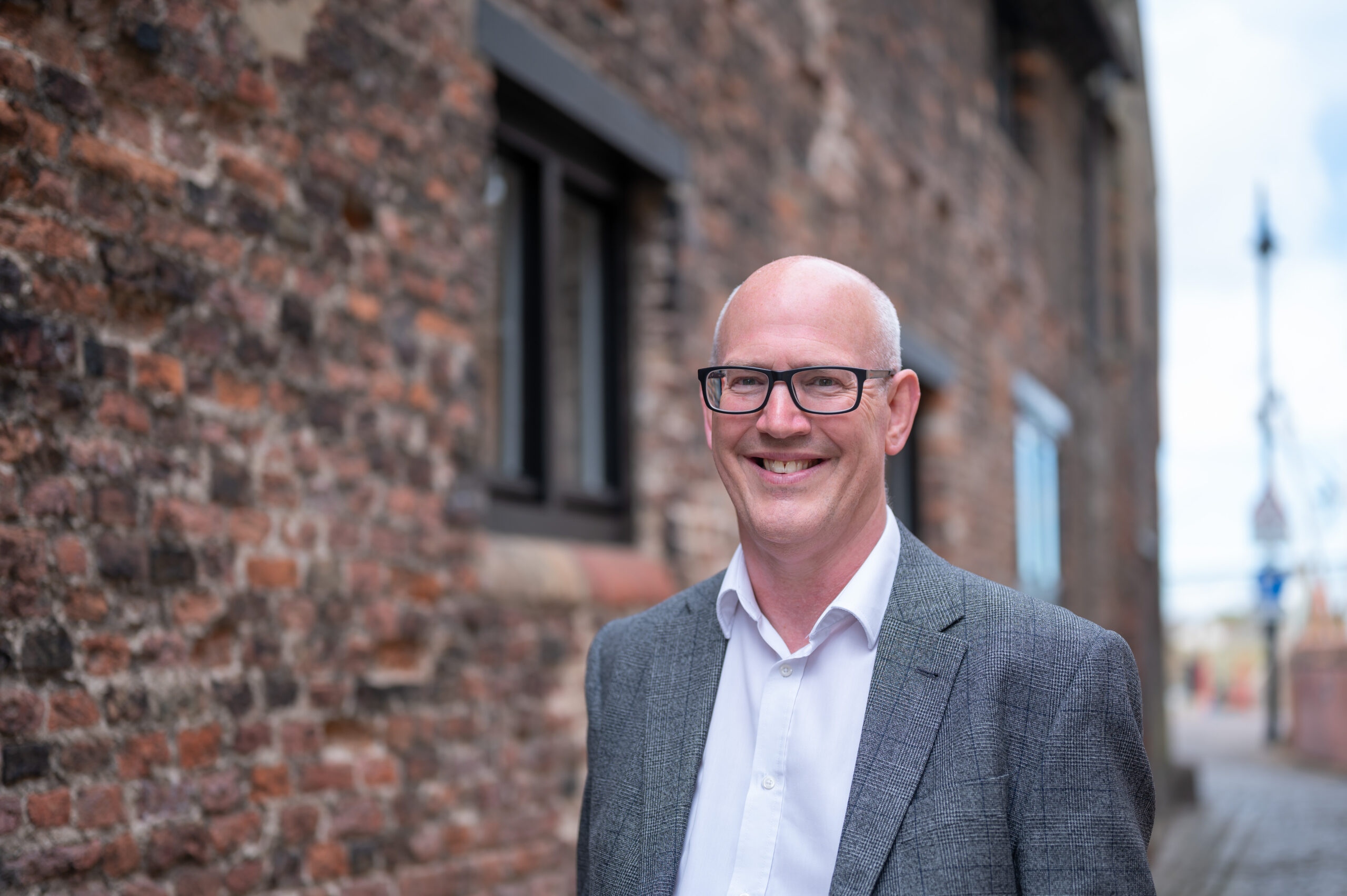
Three years in: David Read on brokerage, relationships and the road ahead
When David Read joined Complete Commercial Finance as consultant three years ago, he already had a long career in commercial finance behind him. But moving from banking into brokerage proved to be a different world.
It’s been three years since you joined Complete Commercial Finance. What has changed for you personally and in the wider commercial finance world?
David: I think the main difference for me – and hopefully Michael and Karl would back this up – is how much less I need to lean on them now. When I first joined, I knew commercial finance very well, but the brokerage world was completely different from what I was used to. Back then, I reckon I was on the phone to them four times a day. Now, it can be weeks before I need to speak with them. That’s probably the biggest change: I’ve built my knowledge base.
It must have been quite an adjustment coming from banking?
David: Absolutely. The products are broadly the same, but at the bank I only had one provider. Now, if one funder says no, I can just try another. That flexibility is fantastic. One difference is that in brokerage, a lot of business felt transactional at first – get it done and move on. That was difficult for me, because I’ve always worked as a relationship manager. Over time though, I’ve built relationships with customers who now come back to me, which is really rewarding.
In an interview shortly after you joined Complete Commercial Finance, you spoke about the importance of relationships. Has that view changed?
David: Not really – relationships are still absolutely central. From introducers, such as accountants and bank managers, to funders, those links are vital. With customers, I still aim to provide the same level of service and, when they need help, many come back now, which hopefully shows they value the support.
What are you working on at the moment?
David: After a quieter summer, it’s all about getting back out and seeing introducers, meeting bank managers and networking. You’ve got to keep that side of things alive in this job if you want to keep the opportunities flowing.
What are the biggest challenges for customers at the moment?
David: Cashflow, without a doubt. The product I’m leaning on more than ever is single invoice finance. People often just need £30-50k to cover a short-term gap and don’t want the cost of a full invoice finance facility. Single invoice funding gives them that flexibility. It used to be seen as a last resort product, but that’s changing – it’s now a really useful tool, even for growth businesses or management buyouts.
How important is the support you receive from the wider CCF team?
David: Honestly, I couldn’t imagine doing this job alone. Between the six of us we’ve got about 200 years’ banking experience. We’ve got a global email group through AFS Compliance, but in reality we always go to each other first. Nine times out of ten, Karl or Mike has the answer. Sometimes Wayne will offer a totally different angle because of his background. It’s a huge comfort knowing you’re never stuck on your own.
Compliance has become a bigger talking point in the industry. How do you see it?
David: Compliance is huge, and it will only get bigger. For me, the backing we get on compliance from AFS Compliance is invaluable. I can’t see why anyone would try to work without it – the risks are just too great, both for the broker and the client. I think in time it’ll separate those who take this industry seriously from those who don’t.
Looking ahead, what’s your vision for the next three years?
David: I’m in a comfortable place now. I’ve put in the hard yards building introducer relationships, and now it’s about keeping them warm. I’d like to build a few more recurring customers, but otherwise it’s more of the same. I’m happy working at a pace that suits me and doing the job well.
Finally, how do you see the industry evolving?
David: I don’t think we’ll see lots of new products, but the way products are used will continue to evolve – just like with invoice finance. I do think compliance will weed out the less reputable brokers, and that will be a good thing for the industry. Those with their house in order will thrive.
